SSP Changes 2026 and What Employers Need to Prepare for now
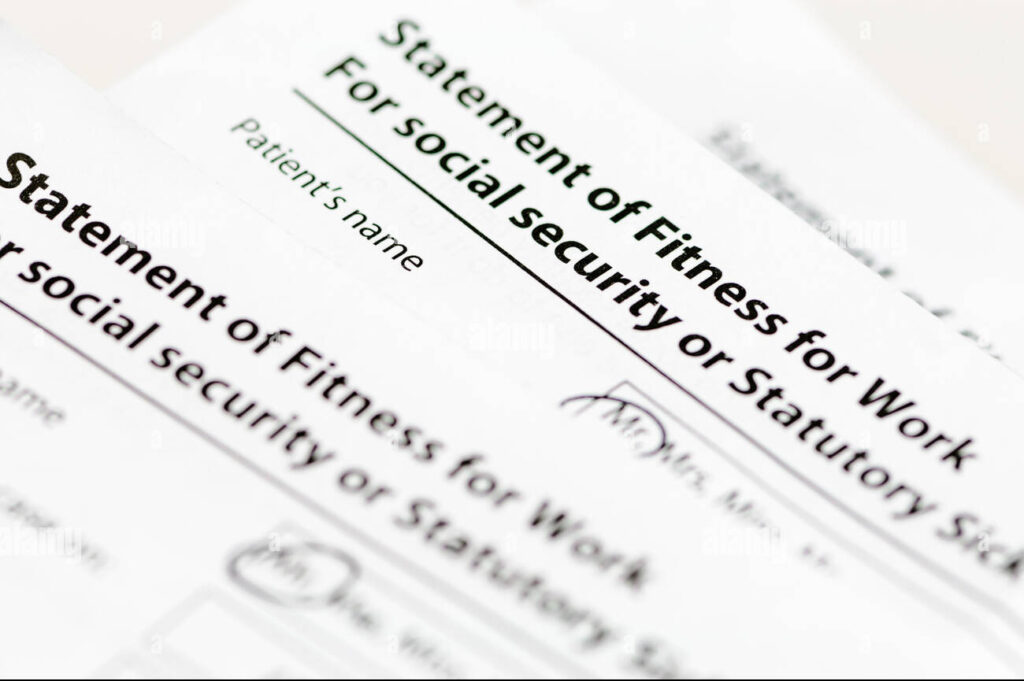
Changes linked to the Employment Rights Bill will place increased focus on how employers manage Statutory Sick Pay and sickness absence in 2026. While SSP itself may feel familiar, the expectations around accuracy, consistency and transparency are growing – and employers who rely on outdated or manual processes may find themselves exposed.
Preparing now allows organisations to reduce risk, improve compliance and ensure employees are supported fairly during periods of sickness.
Why SSP Is Under Greater Scrutiny in 2026
The Employment Rights Bill strengthens employee protections and places greater emphasis on fair treatment at work. As a result, how SSP is calculated, recorded and communicated is becoming more visible to employees and regulators alike.
SSP is no longer viewed purely as a payroll task. It is increasingly tied to absence management, employee experience and employer accountability.
What Employers Need to Be Aware Of
As expectations increase, employers must ensure their SSP processes are accurate and consistently applied. This includes having clear records of sickness absence, understanding qualifying periods and ensuring SSP payments align with statutory requirements.
Any gaps in these areas can create confusion for employees and increase the risk of disputes or non-compliance.
The Link Between SSP and Absence Management
Effective SSP management depends on reliable absence data. Without clear absence records, it becomes difficult to calculate SSP accurately or demonstrate compliance.
A structured absence management process helps employers:
- Track sickness absence consistently
- Apply SSP rules correctly
- Maintain clear audit trails
- Support fair decision-making
This is particularly important as organisations prepare for the increased scrutiny that comes with the Employment Rights Bill.
Common Areas Employers Should Review Now
To prepare for SSP changes in 2026, employers should review:
- How sickness absence is recorded and monitored
- How SSP eligibility and payments are calculated
- Whether managers understand SSP responsibilities
- How clearly SSP information is communicated to employees
Addressing these areas early reduces the likelihood of last-minute changes or reactive fixes.
Preparing Employees and Managers
Preparation isn’t just about systems and policies – it’s also about people.
Managers should be confident in:
- Handling sickness absence conversations
- Applying SSP processes consistently
- Understanding when to escalate issues
Employees should also have clear access to information about SSP and sick leave, helping to build trust and reduce uncertainty.
Taking Action Ahead of 2026
Employers who act now will be better positioned to manage SSP confidently when the Employment Rights Bill comes into force. Reviewing processes, strengthening absence management and improving visibility across HR and payroll functions can help ensure compliance while supporting a positive employee experience.
Preparing early allows organisations to move into 2026 with clarity rather than pressure – and ensures SSP processes work for both employers and employees.