Data Privacy in HR: Why Protecting Employee Data Matters Every Day
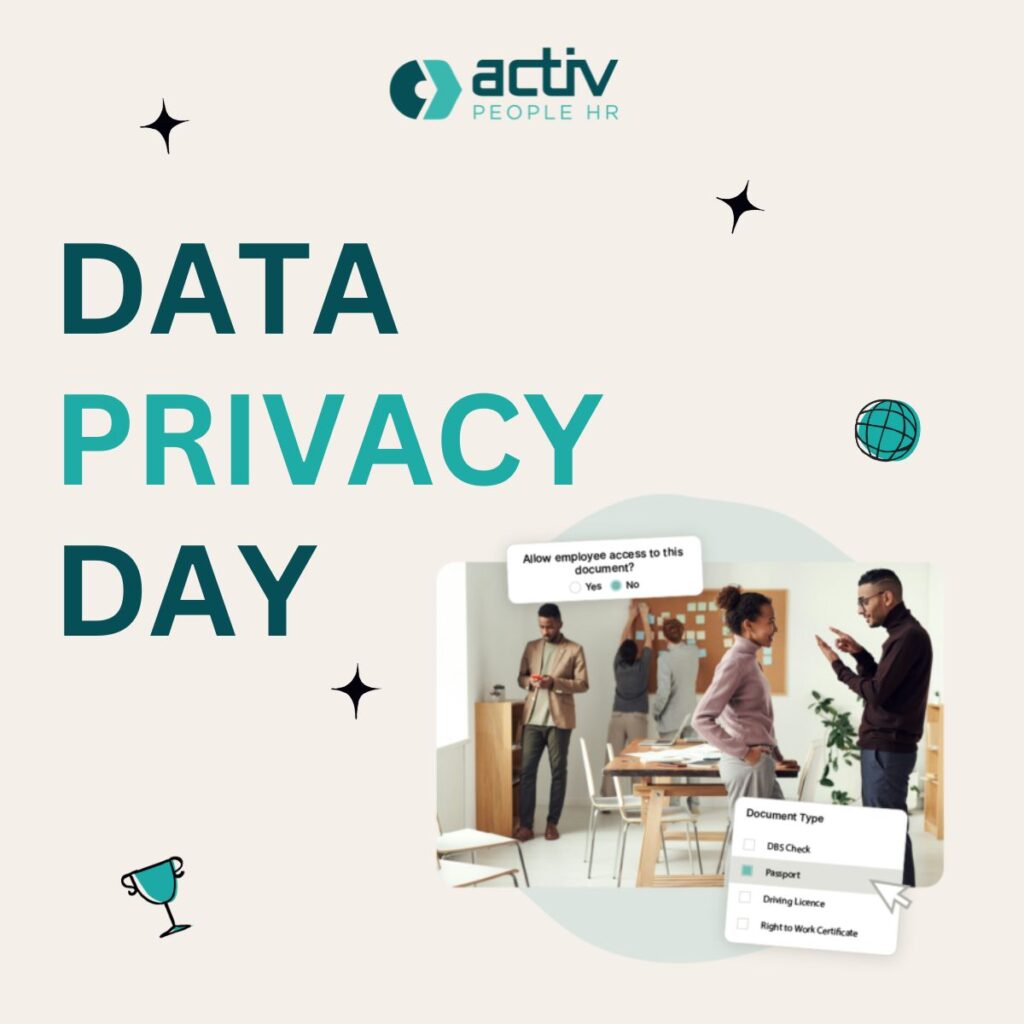
Every year, Data Privacy Day serves as an important reminder of how much personal information organisations handle – and the responsibility that comes with it. For HR teams in particular, data privacy isn’t just a compliance requirement; it’s a matter of trust.
From recruitment records and absence data to performance notes and personal details, HR departments manage some of the most sensitive information within an organisation. Ensuring that data is protected, accurate, and accessible to the right people is essential.
Why data privacy matters in HR
Employee data goes far beyond names and contact details. HR teams regularly process information relating to health, conduct, performance, and personal circumstances. When this data isn’t handled correctly, the consequences can include:
- Loss of employee trust
- Legal and regulatory risk
- Inconsistent or unfair decision-making
- Reputational damage
Data privacy is not just about preventing breaches – it’s about ensuring data is handled responsibly throughout the entire employee lifecycle.
Common HR data privacy risks
Many data privacy issues don’t come from malicious intent, but from everyday working practices. Common risks include:
- Storing employee information across multiple spreadsheets or shared drives
- Lack of access controls or role-based permissions
- Poor version control of policies and documents
- Inconsistent record-keeping of HR conversations
- Unclear processes for data retention and deletion
Over time, these practices increase the risk of data being accessed by the wrong people or used inappropriately.
The link between structure and data protection
One of the most effective ways to protect employee data is through clear structure and consistency. When HR information is stored in a central system with defined access controls, organisations gain:
- Better visibility over who can view and edit data
- A clear audit trail for HR actions and decisions
- Reduced reliance on manual processes
- Confidence that information is accurate and up to date
This not only strengthens data protection but also supports fair and consistent HR management.
Supporting compliance without adding complexity
Data protection regulations require organisations to demonstrate accountability – not just intent. HR teams need to show that:
- Data is stored securely
- Access is restricted appropriately
- Information is accurate and relevant
- Records are retained and removed in line with policy
The right HR systems help make this manageable by embedding privacy and security into everyday processes, rather than treating compliance as a separate task.
Building trust through responsible data handling
Employees are more likely to engage with HR processes when they trust that their personal information is handled with care. Transparent, well-managed data practices reinforce that trust and support a positive workplace culture.
Final thoughts
Data Privacy Day is a useful reminder – but for HR teams, data protection is a year-round responsibility. By prioritising structure, visibility, and secure processes, organisations can protect employee data while supporting better HR decision-making.
Protect employee data with confidence – book a free demo with Activ People HR.